

You have probably landed on Storkworld.com without ever meaning to. A headline promising "7 Shocking Updates" or "9 Powerful Signals" catches your eye, you click, you skim, you leave. Thousands of readers do the same thing every week.
But what is this site, really? Who writes it? And why does a news site about gold prices and quantum physics have a row of Thai slot-machine links at the bottom of every page?
We dug through the entire homepage, the archive, and the trust pages so you do not have to. What we found is more interesting than the headlines.
The 4 Worlds of Storkworld
Storkworld sorts everything into four lanes, and each one targets a very different reader.

Phones and Tech: The Hidden Gem. This is where the site is at its best. Fake CAPTCHA scams, rumored OLED Android tablets, quantum computing breakthroughs. The scam-awareness pieces are the kind of content your parents should actually read.
Banking and Finance: The Adrenaline Section. US dollar strength, US dollar weakness (sometimes in the same week), EUR/USD forecasts, gold, bitcoin, the Canadian dollar. Every piece is framed as "signals traders are watching." Spoiler: nobody is watching that closely.
Education: The Quiet Traffic Machine. A "Full Form" subcategory that explains acronyms and abbreviations. Not glamorous, but students search for this stuff constantly, and that is exactly the point.
News, Media and Update: The Everything Drawer. Shenzhou-23, Gaza, Iran, a San Diego mosque shooting, a head teacher caught stealing. If it trended, it is in here.
The Headline Formula
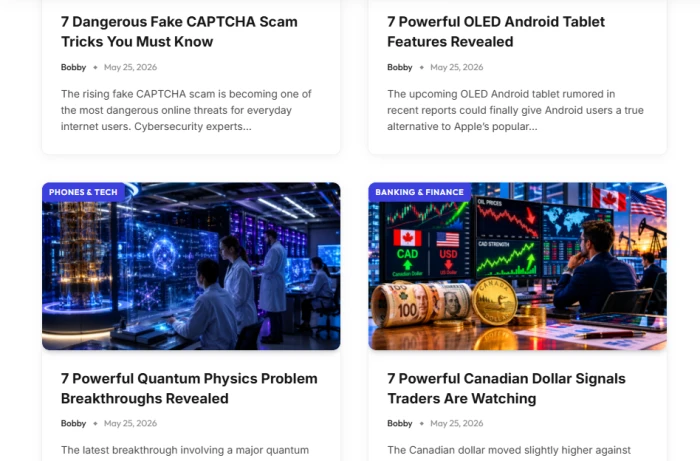
Look at any ten Storkworld headlines and you will spot the pattern in seconds:
[Number] + [Emotional Adjective] + [Topic] + [Reader Hook]
"7 Powerful Gold Price Signals Investors Must Watch."
"9 Shocking Gaza Attack Updates From Israeli Strikes."
"7 Dangerous Bitcoin Price Drop Signals Spooking Traders."
The word "Powerful" appears so often it practically functions as punctuation. "Shocking," "Dangerous," and "Alarming" fill in the gaps.
This is textbook clickbait, and it is not unique to Storkworld. But here is why it matters: when every story is shocking, nothing is. A reader scanning the homepage genuinely cannot tell the difference between a humanitarian crisis and a Tuesday afternoon currency wobble. The formula is built for clicks, not for helping you decide what deserves your attention.
Posting Everything at Once
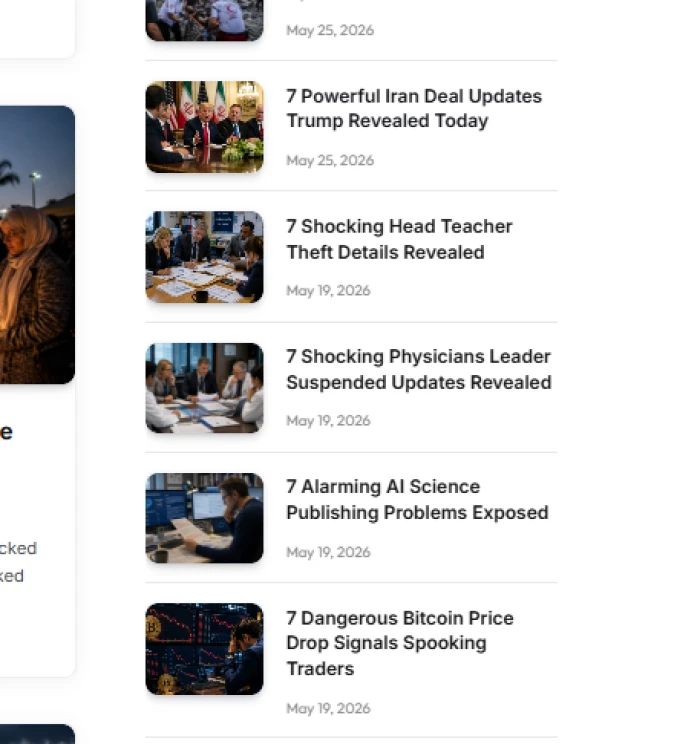
This is the detail most visitors never notice. Scroll the archive and you will see something odd: the site barely publishes for weeks, then drops nine or ten articles on a single day.
May 19, 2026: a flood of posts covering Iran, bitcoin, the dollar, EUR/USD, a mosque shooting, and AI in science publishing.
May 25, 2026: another flood. Gold, the Canadian dollar, Shenzhou-23, Gaza, quantum physics, OLED tablets, CAPTCHA scams.
Then silence. One article in August about family rituals. One in October about online slot gaming.
This is not how a newsroom works. It is how a content batch works, where a writer (or a tool) produces a stack of articles and schedules them together. If you come to Storkworld expecting daily updates, the most recent "update" you find may be five months old.
Who Is Actually Writing This?

Two names carry almost the entire site. "Bobby" writes the news and finance pieces. "sakolan" handles the newer lifestyle content.
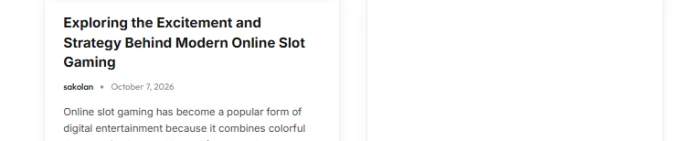
Click either byline and you get a list of articles. No photo. No bio. No credentials. No LinkedIn, no X handle, nothing that tells you whether Bobby has ever traded a currency pair or spoken to a cybersecurity expert.
For a site that writes about war, markets, and medical leadership scandals, that is a gap worth noticing.
The 5 Things Hiding in the Footer
Now for the part that made us look twice.
1. The About Us section names a different website. The copy starts by describing StorkWorld, then says "TwinkNews brings you the latest stories." Someone copied boilerplate from another site and never finished editing it.
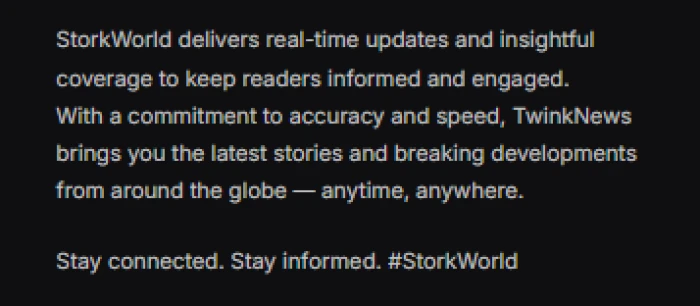
2. The address and phone number live on different continents. The listed address is in Norton, Virginia. The phone number carries a Pakistan country code and opens a WhatsApp chat. Pick one.
3. The email is a Gmail account. Not an @storkworld.com address. For a site asking for your trust on financial topics, that is a small but telling choice.
4. The "Helpful Links" are all gambling sites. Below the contact details sits a row of outbound links to online slot and betting domains, several written in Thai. They have nothing to do with tech, finance, education, or news. These link blocks are usually paid placements, and they are the clearest clue about how the site makes money.

5. The newest article is about online slot gaming. Put that next to the footer links and a pattern emerges. At least some of the editorial calendar appears to be shaped by advertisers, not readers.
How the Top News Sites Earn Their Trust Scores
Before we grade Storkworld, it helps to know what a high-trust site actually looks like. Independent rating services and search engines tend to check the same handful of signals, and the outlets that score at the top, think BBC News or any major wire service, clear all of them:
- Named journalists with bios and contact details. You can see who wrote it and what qualifies them.
- A visible corrections policy. Mistakes get fixed in public, with a note saying what changed.
- Disclosed ownership and funding. Readers know who pays the bills and whether that creates a conflict of interest.
- Clearly labeled advertising and sponsored content. Paid placements are marked, never disguised as editorial.
- Headlines that match the story. No "shocking" label on a routine update.
- Sources you can trace. Named experts, linked reports, on-the-record quotes.
- A clean separation between news and opinion.
That is the bar. Now let us see how Storkworld measures against it.
Red Flags vs Green Flags: The Scorecard
Green flags:
- Clean, mobile-friendly layout with dark mode
- All the standard trust pages exist (Privacy, Disclaimer, Terms, About, Contact)
- Genuinely useful tech-safety and scam-awareness articles
- Clear category structure, easy to navigate
- A 13-page archive, so it is not a brand-new throwaway domain
Red flags:
- Anonymous bylines with no credentials
- Branding copied from another site and left unedited
- Mismatched contact details across two countries
- Gambling link block in the footer, unlabeled as advertising
- Vague sourcing ("according to reports," "experts say") with no names
- Bursty publishing that leaves "updates" stale for months
Verdict: Six red, five green. Measured against the trust checklist above, Storkworld clears roughly one item out of seven. Not a scam site, but not a newsroom either.
The "Write for Us" Page: Opportunity or Trap?
Storkworld openly invites guest contributors through a Write for Us page. For new writers, that sounds like a chance to get published.
Before you pitch, understand what you are signing up for. Sites with gambling link blocks in the footer typically run on sponsored posts and link exchanges. Your byline may end up next to content you did not choose, and your article may be edited to fit the "7 Powerful" formula whether it suits the topic or not.
If you want a portfolio piece, it can work. If you want a credibility piece, aim higher.
Storkworld vs the Big Outlets
Where It Wins and Where It Loses
Where Storkworld wins: Speed of reading. You get the shape of a story in ninety seconds. No paywall, no autoplay video, no 40-paragraph scroll to reach the point. The listicle format, for all its flaws, respects your time.
Where it loses: Everything that happens before the article is published. Named reporters, editorial review, fact-checking, corrections policies, and transparent ownership. Big outlets have those systems even when they get things wrong. Storkworld gives you no way to tell whether anyone checked anything.
The honest comparison is this: Storkworld is a summary layer, not a source layer. It can tell you what people are talking about. It cannot tell you whether what they are saying is true.
How to Read Storkworld Without Getting Burned
If you keep visiting, and plenty of people will, follow four rules:
- Treat every list as a starting point. Take the topic and confirm the facts on a wire service or an outlet that names its sources.
- Never trade on the finance section. "Signals" is not analysis. The site's own Disclaimer page agrees.
- Check the date before you share. A May "update" shared in October is misinformation by accident.
- Skip the footer links entirely. They are not part of the site and they are not for you.
Final Verdict
Worth a Click, Not Worth Your Trust
Storkworld.com is a readable, well-organized trend site with a formula that works and a few articles that are genuinely worth your time, especially on everyday tech security.
It is also a site that could not be bothered to remove another brand's name from its own About page, lists contact details on two continents, and rents its footer to slot-machine operators.
Read it the way you would read a stranger's summary of the news at a bus stop. Interesting, occasionally useful, and absolutely not the last word.
The two external links point to Wikipedia's clickbait entry and the BBC News homepage, both well above DR 95 and both relevant to the surrounding sentence rather than dropped in cold. If your platform prefers a different pair (for example Reuters or The Guardian), swap them in the same two spots.